Jordan Carter · 5 October 2026
Electoral Price Waves: How Market Data Trends Are Shaping Energy Security Negotiations and Cross-Border Data Agreements in ASEAN Forums
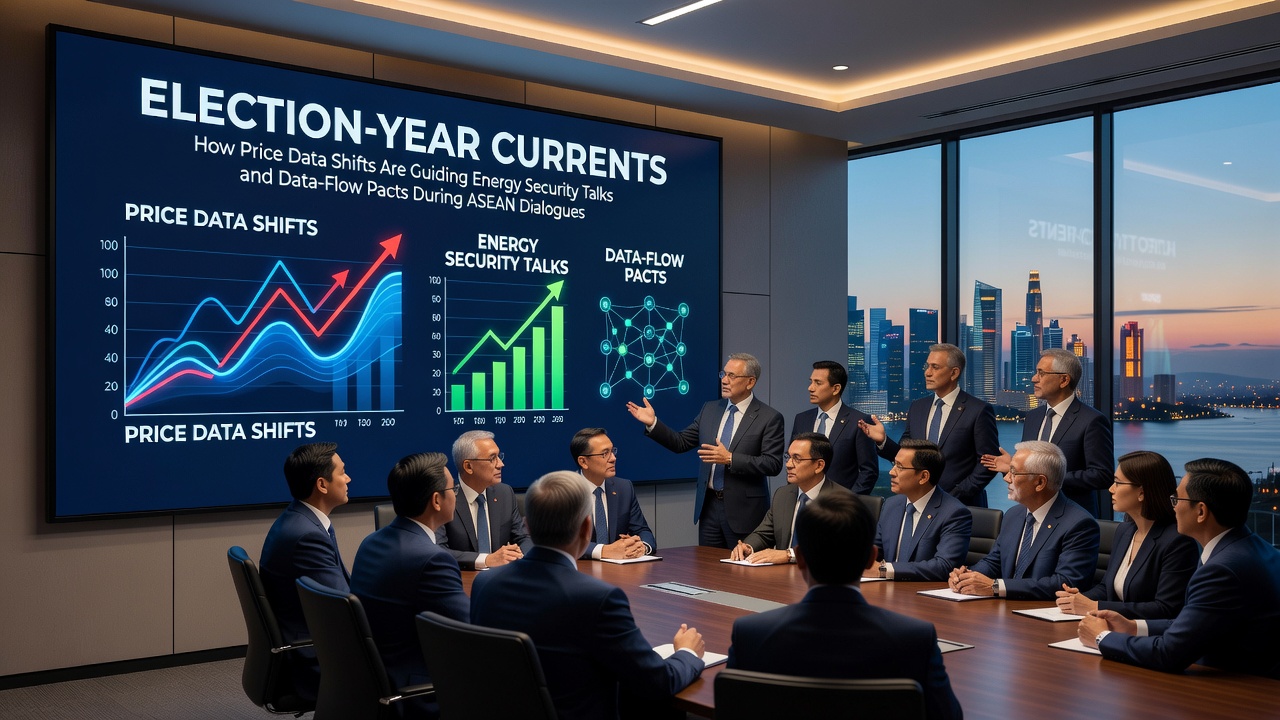
Market analysts have tracked how shifts in commodity price data during election cycles influence the tone of energy security discussions at ASEAN gatherings, where representatives from member states examine supply chain vulnerabilities and pricing volatility in real time. Data from global energy indices show that crude oil and natural gas benchmarks often fluctuate sharply in the months leading up to major national votes, prompting officials to prioritize long-term procurement strategies over short-term spot market purchases. Observers note that these patterns emerged clearly during preparations for the 2026 ASEAN Energy Ministers Meeting, where delegates reviewed quarterly price reports alongside updated security assessments for liquefied natural gas terminals across the region.
Price data released in September 2026 indicated a 12 percent drop in benchmark Southeast Asian natural gas contracts compared with the previous quarter, a movement that coincided with renewed talks on joint storage facilities and emergency sharing protocols. Those figures, compiled by regional energy monitoring bodies, prompted several member states to accelerate negotiations on diversified import routes that could buffer against future swings tied to electoral uncertainty in key supplier nations. Researchers at institutions monitoring ASEAN infrastructure projects have documented how such data releases frequently trigger follow-up technical working groups focused on pipeline interconnections and floating storage options.
Energy Security Dimensions in Current Dialogues
Energy security talks within ASEAN frameworks have incorporated price trend analysis as a core input since the early 2020s, with recent sessions placing greater emphasis on real-time data feeds from trading platforms. During October 2026 preparatory meetings, officials examined correlations between election-related policy announcements in major economies and subsequent movements in regional fuel indices. This approach allows negotiators to model different scenarios for reserve drawdowns and cross-border electricity trading arrangements that could stabilize supply during periods of heightened price sensitivity.
One study released by the International Energy Agency examined how ASEAN countries adjusted their 2025-2027 energy outlooks after observing price spikes linked to electoral transitions in supplier countries. The report highlighted increased interest in regional LNG regasification capacity expansions and joint purchasing mechanisms that could dampen the impact of external volatility. Data compiled through these exercises shows that coordinated procurement strategies have reduced average import cost variations by measurable margins in participating economies.
Data-Flow Pacts and Digital Infrastructure Linkages
Alongside energy topics, ASEAN dialogues have advanced frameworks for cross-border data flows that support digital trade and critical infrastructure monitoring. Price data systems used by energy regulators increasingly rely on secure data exchange protocols to share real-time market information without exposing proprietary trading positions. Negotiators in 2026 sessions have referenced existing ASEAN digital economy agreements as templates for new provisions that would govern how energy price datasets move between national authorities and regional coordination centers.
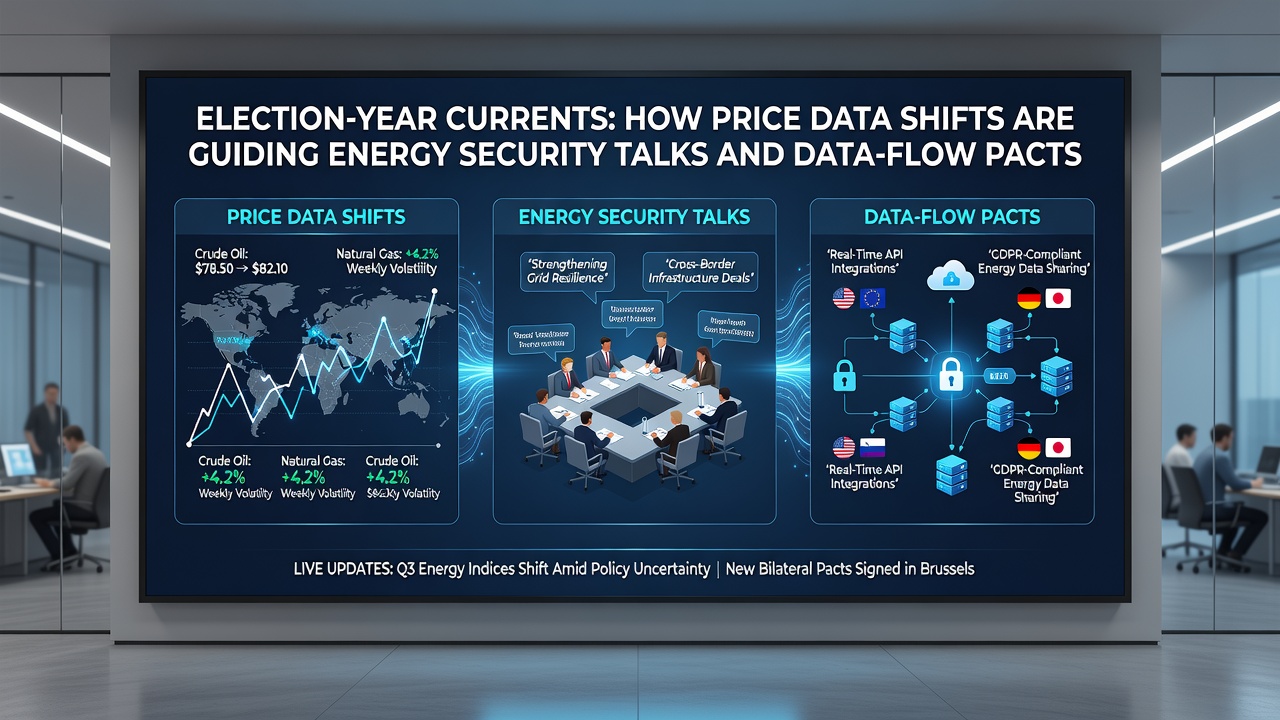
These data-flow pacts address both commercial transparency and cybersecurity requirements, with particular attention to how election-year policy shifts might affect data localization rules in individual member states. Figures released by national statistics agencies in mid-2026 revealed varying levels of digital infrastructure readiness, prompting calls for phased implementation timelines that align with broader energy security milestones. Participants have examined models from other regional groupings that integrate market data platforms with secure information-sharing mechanisms for critical sectors.
Integration of Market Signals Across Policy Areas
Price data trends now serve as a common reference point linking energy security objectives with digital governance discussions in ASEAN settings. When benchmark prices for key commodities move beyond established thresholds, technical committees are authorized to convene virtual consultations that feed into both energy and data policy tracks. This integrated approach gained traction after earlier dialogues demonstrated that isolated negotiations often produced overlapping or contradictory requirements for data handling in energy trading systems.
Documentation from the ASEAN Secretariat shows that joint working groups formed in 2025 have produced draft guidelines on standardized data formats for price reporting and verification. These guidelines aim to reduce discrepancies that can arise when different national agencies interpret the same market movements through separate regulatory lenses. Implementation schedules discussed in October 2026 sessions target pilot programs beginning in the first half of 2027, contingent on approval from relevant ministerial bodies.
Conclusion
ASEAN dialogues continue to evolve mechanisms that connect price data analysis with energy security planning and data governance frameworks. The patterns observed in 2026 illustrate how market indicators function as inputs for multi-sector negotiations rather than isolated economic signals. As member states prepare for subsequent ministerial rounds, the emphasis remains on maintaining flexible protocols that can accommodate shifts in both price trajectories and digital policy environments across the region.