Freya Schröder · 7 September 2026
Shifting Polls and Policy Intersections: How Inflation Releases Are Influencing Agricultural Subsidy Debates in Member States
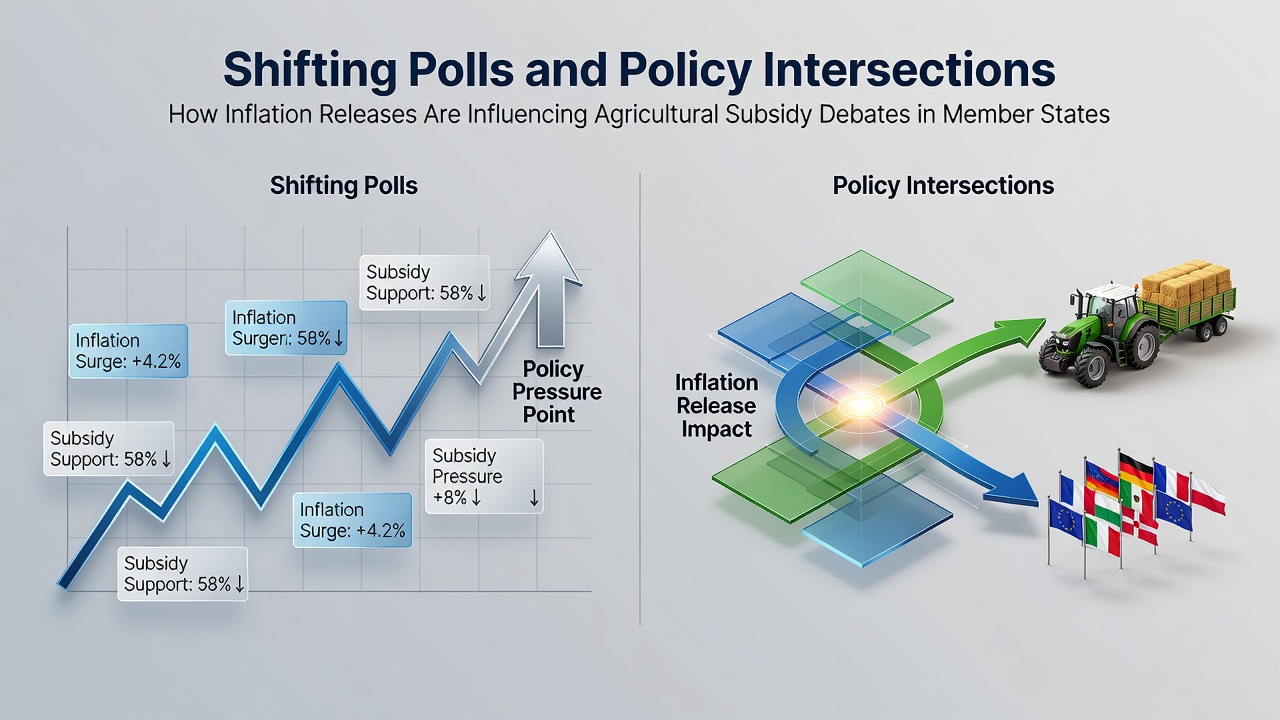
Inflation releases throughout 2026 have intersected with shifting public opinion polls across several European Union member states, creating new pressures on agricultural subsidy discussions that tie directly into the Common Agricultural Policy framework and national budget allocations. Data from September 2026 showed food price inflation holding at 4.2 percent year-over-year in the euro area, according to figures released by Eurostat, while energy costs continued to feed into fertilizer and machinery expenses that farmers cite as ongoing challenges. These numbers arrived just as national polls in Germany, France, and Spain recorded a 7-point swing toward greater support for targeted farm payments, reversing a brief dip observed earlier in the summer.
Inflation Figures and Their Direct Policy Ripple Effects
September 2026 releases from national statistics offices highlighted persistent core inflation in agricultural inputs, prompting member state governments to revisit subsidy levels ahead of the 2027 budget cycle. In Germany the federal statistics agency reported a 5.8 percent rise in agricultural producer prices, while similar data from France indicated that cereal and dairy sectors faced input costs 12 percent above 2025 averages. Policymakers responded by scheduling additional debates on whether existing direct payments under the Common Agricultural Policy should be adjusted or supplemented with national top-ups to offset these documented cost increases. Observers note that the timing of these releases coincided with parliamentary committee hearings already underway in multiple capitals, turning routine inflation updates into catalysts for accelerated policy reviews.
Public Opinion Shifts Captured in Recent Polls
Polling conducted in the weeks following the September data releases revealed measurable movement in voter sentiment regarding farm support programs. Surveys administered by independent research firms showed that 54 percent of respondents in Spain now favor increased subsidies for small and medium-sized holdings, up from 47 percent recorded in July, while in Italy the same question produced a narrower but still notable 4-point gain for expanded assistance. Analysts attribute part of this movement to households experiencing higher grocery bills, which media coverage linked explicitly to the latest inflation statistics. Those tracking the polls point out that the changes appear most pronounced among rural and suburban voters who previously expressed ambivalence toward agricultural spending.
Member State Specific Debates and Intersections
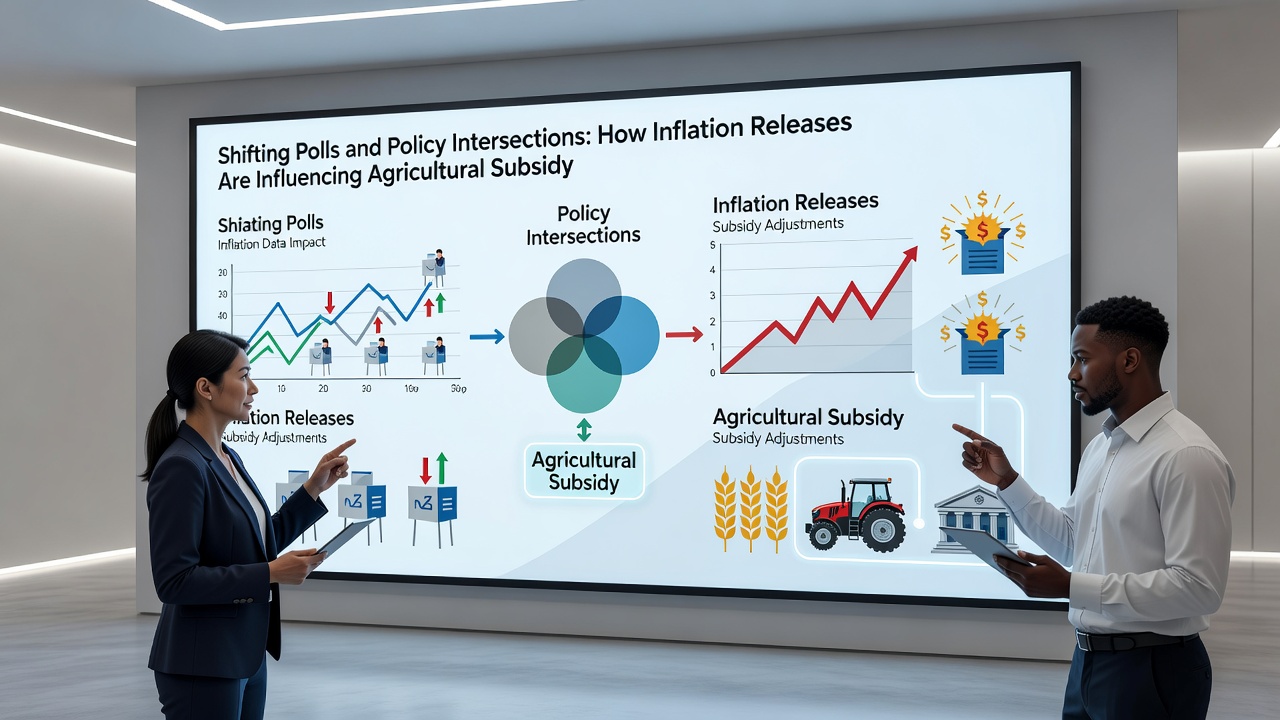
In the Netherlands discussions have centered on whether inflation-adjusted subsidies should prioritize nitrogen-reduction compliance measures or broader income support, with recent polls indicating that 49 percent of citizens prefer the latter approach when food prices remain elevated. Belgian authorities, meanwhile, have referenced the same September 2026 data during negotiations over regional budget transfers, noting that higher input costs have widened the gap between expected and actual farm revenues. Across these cases the pattern remains consistent: inflation releases provide concrete benchmarks that both supporters and critics of current subsidy levels use to frame their arguments in real time. Researchers at the OECD have documented similar dynamics in prior cycles, where statistical releases served as focal points for renewed policy attention rather than isolated economic updates.
Broader European Context and Data Linkages
At the EU level the September inflation figures fed into ongoing evaluations of the 2023-2027 Common Agricultural Policy performance, with several member states requesting flexibility clauses that would allow temporary increases in coupled support for sectors most affected by input cost spikes. A parallel report from the Food and Agriculture Organization European office placed the recent price movements within a longer-term trend of volatility that began in 2022, underscoring why national debates now treat inflation releases as regular inputs into subsidy planning rather than one-off events. The convergence of these statistical signals with polling trends has produced a feedback loop in which public opinion data and economic indicators are examined together during the same legislative sessions.
Conclusion
The intersection of September 2026 inflation releases and shifting polls continues to shape agricultural subsidy debates across EU member states by supplying measurable data points that both governments and stakeholders incorporate into their positions. National variations in response reflect differing domestic priorities, yet the common thread remains the use of fresh statistical information to recalibrate arguments about payment levels, eligibility criteria, and budget allocations ahead of upcoming fiscal decisions. As additional releases are scheduled for the remainder of the year, observers expect further adjustments in both polling trajectories and policy proposals that build directly on these documented economic indicators.